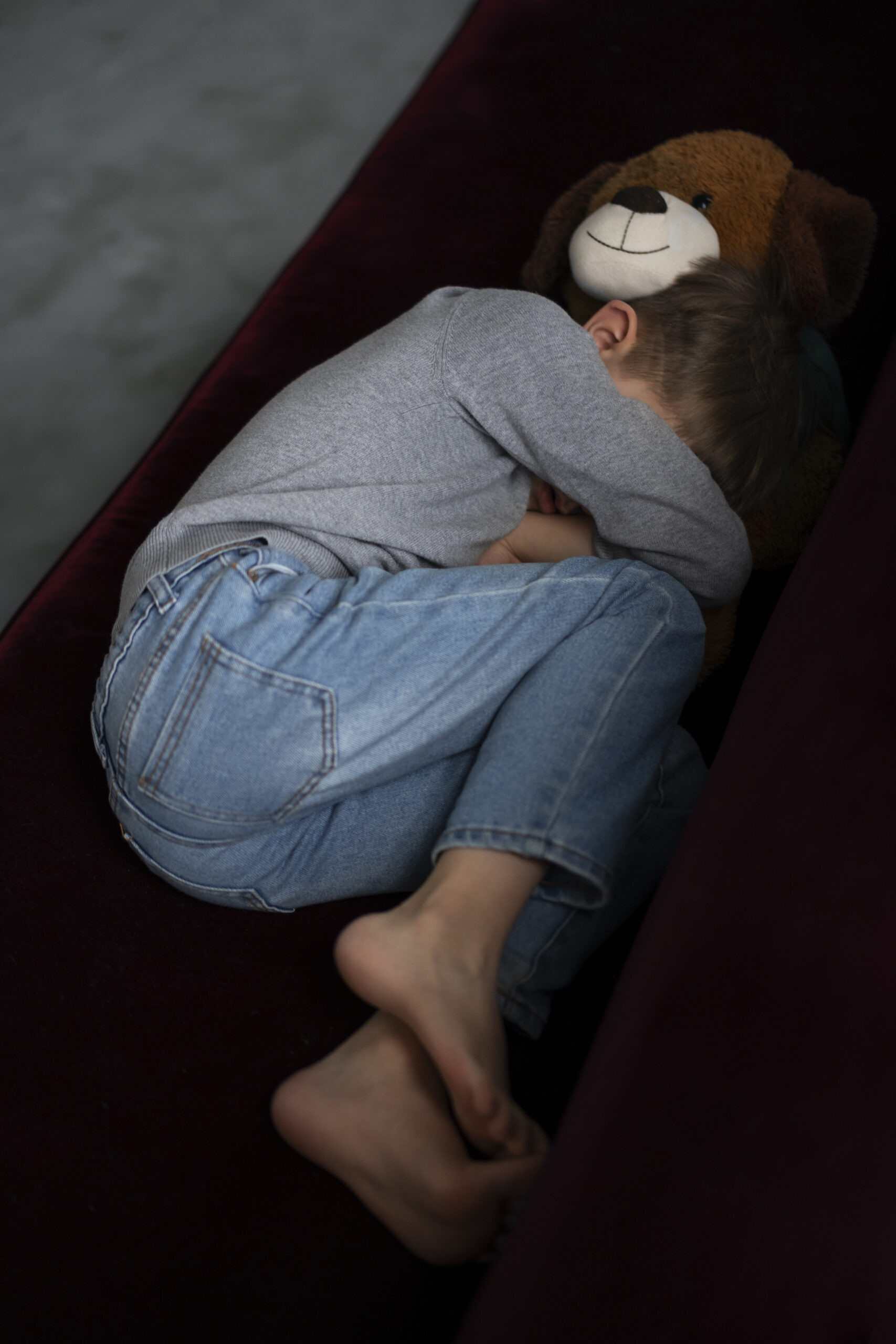

Understanding Development, Overcoming Struggles, and Supporting Others
Childhood is meant to be a time of growth, learning, and nurturing. For some, however, those early years are marked by experiences that are frightening, painful, or overwhelming. Childhood trauma can take many forms—abuse, neglect, loss, or witnessing violence. These experiences have lasting effects, shaping the way individuals think, feel, and interact with the world. Understanding how childhood trauma affects development and learning how to heal are essential steps toward building a healthier, stronger self and helping others do the same.
Trauma experienced during childhood can disrupt the natural course of mental and physical development. Emotionally, children who experience trauma may struggle with anxiety, depression, or low self-esteem. Their ability to trust others and form healthy relationships can be compromised. Physically, trauma can lead to sleep disturbances, headaches, or even chronic health issues later in life. The stress caused by trauma may affect the brain’s development, making it harder to manage emotions and cope with everyday challenges.
As children grow, these effects can linger, showing up as behavioral difficulties, trouble concentrating, or even physical ailments. The body and mind remember what happened, sometimes reacting as if the threat is still present. This can make adulthood challenging, affecting work, relationships, and overall well-being.
Why Resolving Trauma Matters: The Importance of Addressing Past Trauma
Ignoring or burying traumatic memories does not make them disappear. In fact, unresolved trauma can shape adult behavior, leading to patterns that are difficult to break. Addressing and resolving past trauma is crucial for reclaiming control over one’s life. It allows individuals to understand why they might react in certain ways and begin to make healthier choices. Healing from trauma frees people from the grip of their past, allowing for growth and the development of new strengths.
Self helplessness is a feeling that arises when someone believes they are powerless to change their situation. It is common among trauma survivors, especially those who experienced repeated or long-term adversity. This mindset can keep individuals stuck, preventing them from trying new things or seeking help.
Survival mode is a state where the mind and body are focused only on getting through each day. When someone is in survival mode, they may feel constantly alert, anxious, or withdrawn. While this response is a protective mechanism, it can make it hard to relax, connect with others, or plan for the future. Understanding these concepts is an important step in recognizing how trauma shows up in adult life.
Overcoming Childhood Trauma: Strategies for Healing and Growth
Healing from childhood trauma is possible. Here are some strategies that can help:
- Seek Support: Reaching out to trusted friends, support groups, or mental health professionals can provide a safe space to talk and process emotions.
- Practice Self-Care: Activities like exercise, meditation, journaling, or creative arts can help calm the mind and body.
- Challenge Negative Beliefs: Noticing and questioning thoughts of helplessness can help build confidence and resilience.
- Set Boundaries: Learning to say no and protect oneself from harm is a key part of healing.
- Take Small Steps: Recovery is a journey. Celebrate progress, no matter how small, and be patient with yourself.
These steps can guide trauma survivors toward a stronger, healthier self. Healing may not be easy, but it is possible, and every effort counts.
Many adults struggle with the effects of childhood trauma, sometimes without realizing it. If you know someone who is facing these challenges, support and understanding can make a world of difference. Here’s how you can help:
- Listen Without Judgment: Allow them to share their experiences and feelings at their own pace.
- Encourage Professional Help: Suggesting therapy or counseling can be helpful, but respect their choices.
- Be Patient: Healing takes time. Avoid pushing them to “move on” before they are ready.
- Share Resources: Offer information on support groups, books, or online communities.
- Celebrate Their Strengths: Remind them of their resilience and progress.
By offering compassion and understanding, you can help others break free from the past and embrace a healthier future.
Childhood trauma can shape lives in profound ways, but it does not have to define one’s future. Understanding its effects, recognizing signs like self helplessness and survival mode, and taking steps toward healing are keys to transformation. Supporting others through their struggles creates a ripple effect of hope and empowerment. Recovery is possible, and everyone deserves a chance to build a strong, fulfilling life beyond trauma.