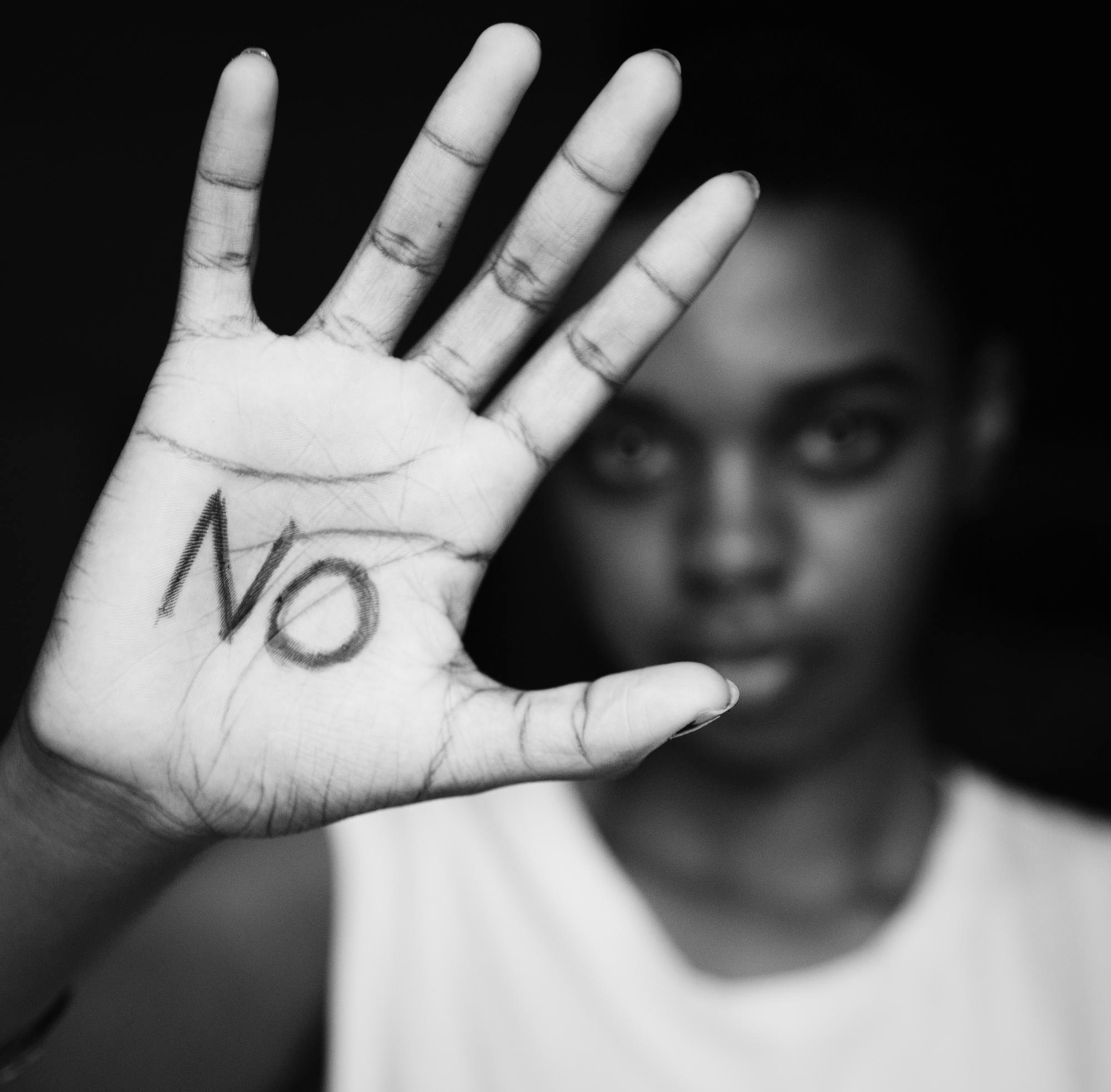

A Journey from Silence to Healing and Hope
Surviving childhood sexual abuse is a journey marked by deep pain, confusion, and sometimes years of silence. For many, the effects of trauma linger long after the abuse ends, shaping adulthood in ways that are both seen and unseen. This testimony aims to shed light on the lived experience of surviving such trauma, the challenges of living in survival mode, and the crucial importance of trauma-focused therapy on the path to healing.
Growing Up in Silence
As a child, the world can feel overwhelmingly big and unfathomably confusing, especially when trust is broken in the worst possible way. Especially, when it involves a close family member. Like so many others, I kept my abuse a secret. I didn’t have the words, the safety, or the understanding to reach out. My silence was a shield, protecting me from shame, disbelief, and pain. Yet, that silence also built walls inside me—walls that isolated me from others and even from myself.
When I became an adult, I expected life to get easier. I thought distance and time would make the past fade away. Instead, I felt as though I was running on autopilot—always on alert, always bracing for harm that wasn’t there. Living in survival mode is exhausting. The world constantly feels dangerous. Relationships, work, and simple self-care become overwhelming. Anxiety, panic attacks, and dissociation became my normal. It was as if my mind and body were still fighting a war that had ended years ago.
Staying silent for so long took a toll. I struggled to trust others and myself. Shame and guilt were constant companions. I found it hard to connect with my feelings, make decisions, or even recognize what I needed. There were moments of despair and deep loneliness. It was overwhelming to realize that, despite outward success, I was still a prisoner of my past.
Reaching for Help: The Need for Trauma-Focused Therapy
Reaching out for help was one of the hardest things I’ve ever done. Admitting that I needed support—and that I deserved it—was a turning point. Trauma-focused therapy offered me a safe space to understand my experiences, process my emotions, and start to reclaim my life. Dialectical Behavioral Therapy (DBT) in particular became a lifeline. With DBT, I learned skills for managing intense emotions, coping with distress, and building healthier relationships. I began to replace survival strategies with healthier ways of living.
Hope and Healing
The journey of healing isn’t linear or easy. There are setbacks and hard days, but with each step, my life becomes more my own. I’ve learned that I am not defined by what happened to me, and that asking for help is a sign of strength, not weakness. Through therapy and the support of understanding others, I am learning to live beyond survival—to find moments of peace, connection, and hope.
If you’re reading this and living with the effects of childhood sexual abuse, know that you are not alone. Your pain is real, your feelings matter, and healing is possible. There is no shame in seeking help. Trauma-focused therapy, including approaches like DBT, can be powerful tools on your path. Your story does not end with your trauma; it continues with every brave step you take toward healing.
Anonymously,
JP of New York